
Cross-Docking vs. Warehousing: Which Is Right for Your Freight?
Cross-docking and warehousing solve different problems. Here is how to decide which one fits your freight, your timeline, and your budget.
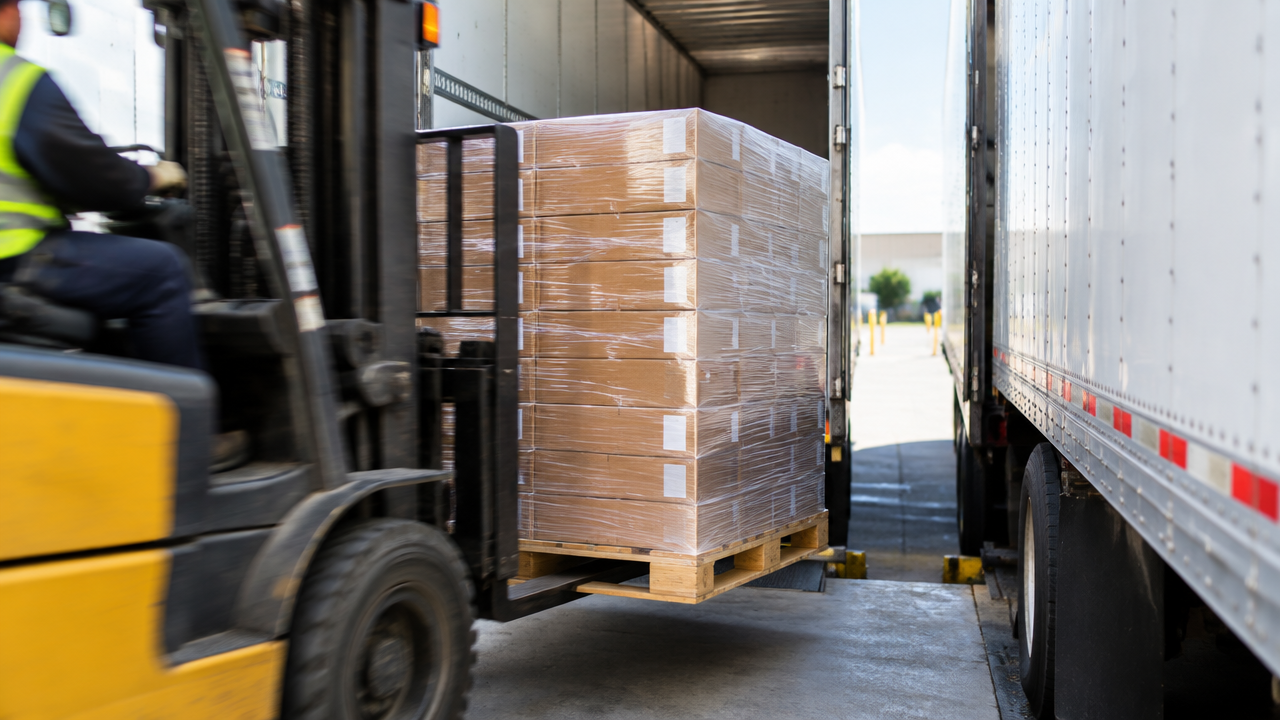
Every shipper eventually faces the same question: should this freight go through a cross-dock or sit in a warehouse? The answer depends on how fast the freight needs to move, how much handling it needs, and how much space you actually require. Getting it wrong is expensive. Cross-docking freight that needs storage creates chaos on the dock, while warehousing freight that should cross-dock adds cost and time you never needed to spend.
Cross-docking is built for speed. Freight arrives on an inbound trailer, is unloaded, and is reloaded directly onto an outbound trailer with minimal storage time in between. There is no put-away, no pick, and no long-term inventory. The freight moves in hours, not days. That makes cross-docking ideal for just-in-time delivery, high-volume retail replenishment, perishable goods, and any freight moving on a tight transit window. The trade-off is coordination. Cross-docking works best when inbound and outbound schedules are aligned and the dock has the capacity to turn trailers quickly.
Warehousing is built for flexibility over time. Freight is received, put away, stored, and later picked and shipped when you are ready. That makes warehousing ideal for seasonal inventory, slow-moving goods, freight that needs staging before a consolidation, and any situation where supply and demand are not perfectly synchronized. The trade-off is cost and time. Every day freight sits in a warehouse, it incurs storage cost, and every handling step adds labor and risk.
So how do you choose? Start with the timeline. If your freight needs to move within hours or a day, cross-docking is almost always the right answer. If you need to hold freight for days, weeks, or longer, warehousing is the answer. Next, look at handling. If the freight just needs to transfer from one trailer to another, cross-dock it. If it needs sorting, consolidation, restacking, or staging over time, warehouse it. Finally, look at space. If you have no room at your own facility and need a buffer, warehousing gives you that buffer. If you just need to keep freight moving, cross-docking does it without the storage cost.
There is also a middle path that many shippers overlook. Freight can cross-dock through a facility that also offers storage, so you get speed when you need it and space when you do not. At LGX Dock, our Lakeland facility handles both. We can cross-dock a load in hours, hold overflow freight when your facility is full, and stage a consolidation over a few days, all from one central Florida location. That flexibility means you do not have to choose a single model in advance, you can match the service to the load.
The bottom line is simple. Match the service to the freight, not the other way around. Cross-dock what needs to move, warehouse what needs to wait, and use a facility that can do both when your needs change. If you are moving freight through Central Florida and want to talk through which approach fits your load, reach out. We will help you figure it out before you spend a dollar on the wrong service.